
What Is a CDD?

What Is a CDD? A Florida Homebuyer's Guide to Community Development Districts
By Scott Swonger, HomeSmart Realtor
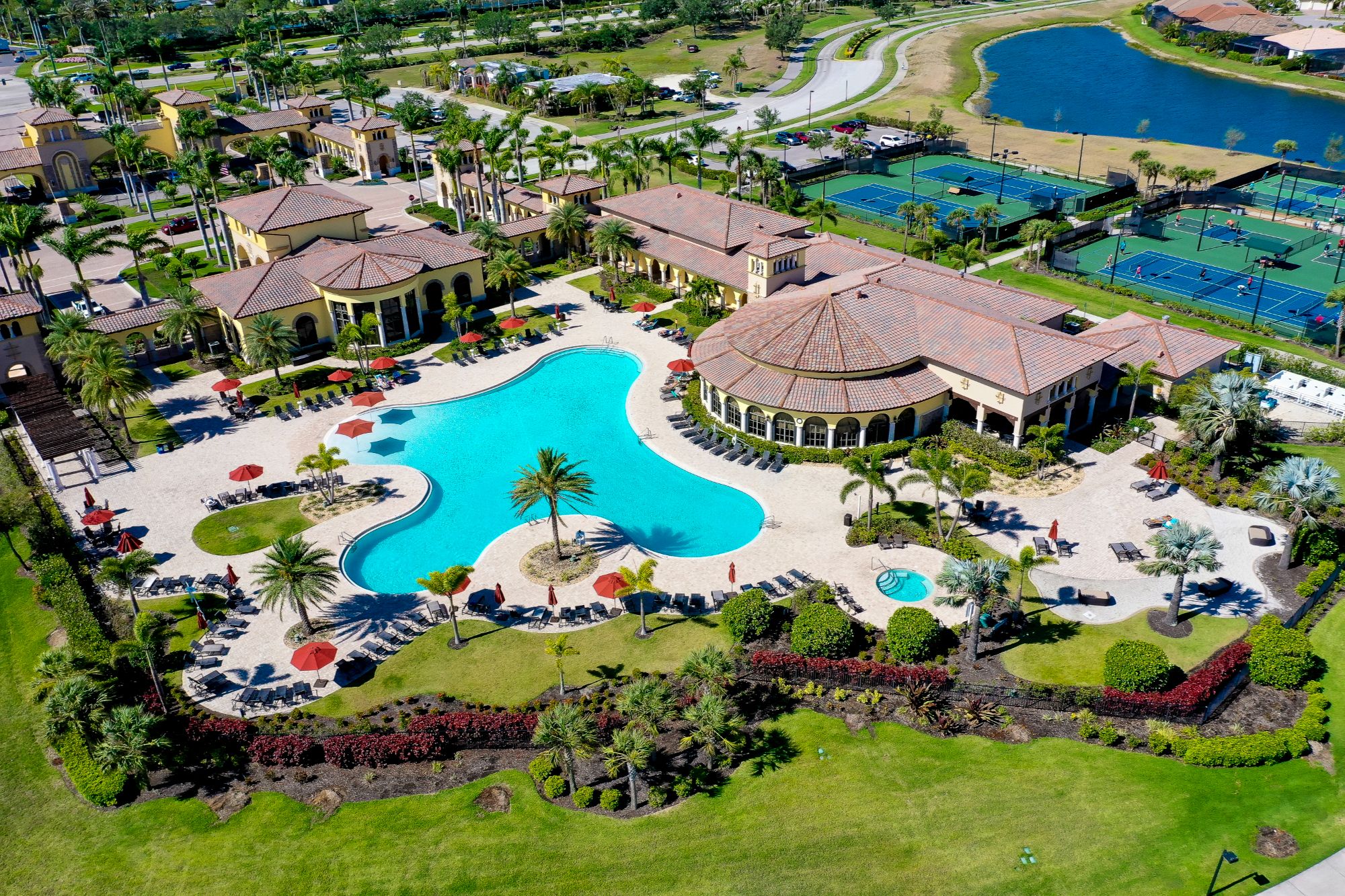 If you're shopping for a home in Florida — especially in a newer master-planned community like the ones here around Venice and Wellen Park — sooner or later you're going to run into three little letters: CDD. And I'll be honest, few things generate more confusion (and sometimes more worry) among buyers than a CDD.
The good news? Once you understand how they work, CDDs aren't scary at all. In many cases, they're the very reason a community has the beautiful lakes, trails, gates, and amenities that made you fall in love with it in the first place. So let me break it down in plain English.
So, What Exactly Is a CDD?
CDD stands for Community Development District. It's a special-purpose unit of local government, created under Chapter 190 of the Florida Statutes — a state law formally known as the Uniform Community Development District Act of 1980.
That's a mouthful, so here's the simple version: a CDD is a little local government that exists to plan, finance, build, operate, and maintain the infrastructure and amenities of a specific community. Think roads, storm water and drainage systems, water and sewer lines, street lights, landscaping, lakes, parks, gates, clubhouses, pools, and trails.
CDDs have become extremely common in Florida — the state is now home to well over a thousand of them — largely because they've proven to be an efficient way to build high-quality communities during a period of explosive growth.
Why Do CDDs Exist? (The Part That Actually Benefits You)
Here's the logic. Building a community's infrastructure — all those roads, pipes, ponds, and amenities — costs an enormous amount of money up front, long before homes are sold.
A CDD lets the community finance that infrastructure by issuing tax-exempt municipal bonds, the same low-interest kind of financing that cities and counties use. Because the borrowing cost is lower, the community can install top-quality infrastructure and amenities early in the development process, rather than making everyone wait years for them.
The cost is then shared by the people who actually benefit — the property owners in the district — through annual assessments. In other words, instead of the price of all that infrastructure being baked entirely into your purchase price, part of it is spread out over time as a separate annual charge. This is exactly why so many CDD communities can offer resort-style amenities and beautifully maintained common areas.
How Is a CDD Governed?
A CDD is run by a five-member Board of Supervisors, and how that board is chosen changes over the life of the community:
- In the early years, the board is effectively controlled by the developer, because board members are elected by landowners — and the developer owns most of the land at that stage.
- As the community grows, control gradually shifts to the residents. Generally beginning around six years after the district is established (and once there are enough registered voters), seats transition to being elected by the residents themselves.
Importantly, a CDD operates like any other government body in Florida. It must follow the state's "Sunshine Law," meaning its meetings and records are open to the public. Its supervisors are subject to state ethics and financial disclosure laws, budgets are set at public hearings, and the district's finances are subject to an annual independent audit. That transparency is a real benefit — it means the standards of your community are protected and accountable, even long after the developer is gone.
How Do You Actually Pay for a CDD?
This is the part buyers most want to understand. Your CDD charge shows up as a non-ad valorem assessment on your annual county property tax bill. ("Non-ad valorem" simply means it's not based on your property's value — it appears on the tax bill, but it isn't technically a property tax.)
That assessment usually has two parts:
1. The Debt Service (Capital) Assessment. This is your share of repaying those infrastructure bonds. It's generally a fixed amount each year for the life of the bonds — often something like a 20-to-30-year term. Here's the key thing many buyers don't realize: this portion has an end date. Once the bonds are paid off, the debt assessment goes away. In many communities, you also have the option to pay off your share of the bond early, in a lump sum, if you'd rather not carry it year to year.
2. The Operations & Maintenance (O&M) Assessment. This funds the ongoing upkeep and administration of the community's facilities. Unlike the debt portion, the O&M assessment is set each year by the Board of Supervisors and can go up or down depending on that year's budget. This one continues for as long as the CDD maintains the community.
CDD vs. HOA — They're Not the Same Thing
This trips people up all the time, so let's clear it up. A CDD and a homeowners association (HOA) are two different things, and a community can have both.
A CDD is a government entity focused on financing and maintaining physical infrastructure. An HOA is a private association that handles things like community rules, architectural standards, and covenant enforcement. The CDD builds and maintains the road; the HOA might tell you what color you can paint your mailbox. If a community has both, you'll typically see both charges — the CDD assessment on your tax bill, and separate HOA dues billed directly by the association.
What Every Buyer Should Ask Before Purchasing
Because CDD costs vary widely from community to community — and even from home to home within the same community — this is exactly where having a knowledgeable local agent matters. Before you buy in a CDD community, here's what I always make sure my clients know:
- What is the total annual CDD assessment for this specific property?
- How is it split between the debt (bond) portion and the O&M portion?
- How many years are left on the bond, and what happens to your payment when it's paid off?
- Can the bond be paid off early, and what's the current payoff amount?
- Is the O&M portion trending up in recent years, and what does it cover?
None of these questions are hard to answer — the numbers are public — but you want them before you write an offer, so there are no surprises at closing or on your first tax bill.
The Bottom Line
A CDD isn't a hidden fee or a red flag. It's a financing and management tool that's helped build some of the most desirable communities in Florida — including many of the beautiful neighborhoods right here in our area. Yes, it's an added annual cost, and you should absolutely factor it into your budget. But in exchange, you're getting quality infrastructure, resort-style amenities, and the assurance that your community will be well cared for for years to come.
The most important thing is simply to go in informed — know what the assessment is, what it pays for, and how long it lasts. Do that, and a CDD becomes just one more line item you understand instead of one you fear.
If you're considering a home in a CDD community and want help understanding exactly what you'd be paying and what you'd be getting, that's what I'm here for. I'll pull the numbers, explain them in plain English, and make sure you can buy with total confidence.
— Scott Swonger, HomeSmart Realtor
This article is for general educational purposes only and isn't legal, tax, or financial advice. CDD structures and assessments vary by community, and I'm a Realtor rather than an attorney or financial advisor — for specifics on any property, review the official district documents and consult the appropriate professionals.